


EN ISO 20345 -turvajalkinestandardi – vaatimukset ja testausmenetelmät
EN ISO 20345:2022+A1:2024 on kansainvälinen standardi, jossa määritellään työympäristöissä käytettävien turvajalkineiden turvallisuutta koskevat vähimmäisvaatimukset.
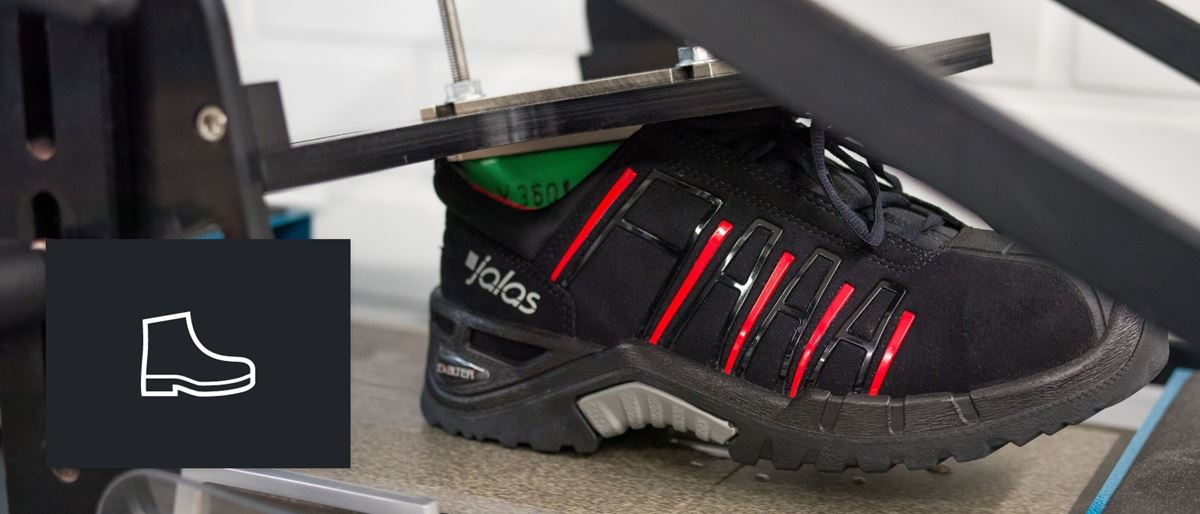
EN ISO 20345:2022+A1:2024 -standardi pähkinänkuoressa
- Määrittää työjalkineiden turvallisuutta koskevat vähimmäisvaatimukset.
- Sovelletaan varvassuojaan, pohjan pitoon, puhkaisuvastukseen ja muuhun.
- Sisältää 8 luokittelutasoa: SB–S7.
- Sisältää 18 valinnaista suojaominaisuutta (esim. A, P, HRO, WP).
- Korvaa vanhan WRU-merkinnän WPA- ja WR-merkinnöillä.
- Pohjan pito sisältyy nyt perusvaatimukseen.
Turvajalkinestandardin EN ISO 20345:2022+A1:2024 tarkoitus
Standardilla varmistetaan, että sertifioidut jalkineet ja saappaat suojaavat luotettavasti yleisiltä työpaikan vaaroilta, kuten iskuilta, puristukselta, pistoilta, liukastumiselta ja vedelle altistumiselta.
Kyseessä on aiemman turvajalkinestandardin EN ISO 20345:2012 päivitetty versio. Päivitetyn version myötä käyttöön tulevat selkeämmät luokitukset, paremmat testausmenetelmät ja uudet suorituskykymerkinnät, jotka vastaavat nykyaikaisia turvallisuustarpeita eri toimialoilla.
Miksi tämä standardi on tärkeä?
- Varmistaa yhdenmukaisen turvallisuuden työpaikoilla maailmanlaajuisesti.
- Auttaa valitsemaan vaatimustenmukaiset jalkineet.
- Vähentää yleisistä vaaroista aiheutuvaa loukkaantumisriskiä.
- Tukee säännösten noudattamista ja vakuutusvaatimuksia.
Turvajalkineiden luokitusten selitykset
Standardissa EN ISO 20345:2022+A1:2024 on kahdeksan turvajalkineiden luokkaa, SB–S7, joista jokainen edustaa tiettyä suojaominaisuuksien yhdistelmää. Niiden avulla voidaan nopeasti tunnistaa turvajalkineen tarjoama suojaustaso.
Luokittelutaulukko
Alla olevat luokat edustavat suojaominaisuuksien yhdistelmiä:
- SB: perusmallinen varpaiden suojaus
- S1–S3: lisänä antistaattisuus, vedenkestävä päällinen ja puhkaisulujuus
- S4–S5: polymeerisaappaat, joissa on samanlaiset ominaisuudet
- S6–S7: sisältää täydellisen vedenpitävyyden (WR)
Taulukko, jossa selitetään luokitukset ja minkä osalta luokka on testattu:
| Luokka | Varvassuoja | Pakollinen pitävä pohja | Suljettu kanta | A Sähkövastus |
E Energiaa vaimentava kantaosa |
P Metallinen naulaanastumissuoja, tyyppi P |
PL Metalliton naulaanastumissuoja, tyyppi PL |
PS Metalliton naulaanastumissuoja, tyyppi PS |
WPA Vedenläpäisy ja veden imeytyminen |
Nastoitettu ulkopohja | WR Vedenpitävyys |
|---|---|---|---|---|---|---|---|---|---|---|---|
| SB | • | • | |||||||||
| S1 | • | • | • | • | • | ||||||
| S1 P | • | • | • | • | • | • | |||||
| S1 PL | • | • | • | • | • | • | |||||
| S1 PS | • | • | • | • | • | • | |||||
| S2 | • | • | • | • | • | • | |||||
| S3 | • | • | • | • | • | • | • | • | |||
| S3L | • | • | • | • | • | • | • | • | |||
| S3S | • | • | • | • | • | • | • | • | |||
| S4 | • | • | • | • | • | ||||||
| S5 | • | • | • | • | • | • | • | ||||
| S5L | • | • | • | • | • | • | • | ||||
| S5S | • | • | • | • | • | • | • | ||||
| S6 | • | • | • | • | • | • | • | ||||
| S7 | • | • | • | • | • | • | • | • | • | ||
| S7L | • | • | • | • | • | • | • | • | • | ||
| S7S | • | • | • | • | • | • | • | • | • |
Pohjan pito on pakollinen kaikissa luokissa
Pohjan pito-ominaisuuksien testi on nyt perustesti ja sisällytetty sertifioinnin perusvaatimukseen, eikä sille ole siksi erityistä merkintää. Aiemmin se oli merkitty kirjainyhdistelmillä SRA, SRB ja SRC.
Perussertifioinnin lisäksi voidaan suorittaa toinen pito-ominaisuuksien testi, jolla arvioidaan jalkineiden pito öljyisillä pinnoilla ja joka merkitään kirjaimilla SR (Slip Resistance).
Jos jalkineissa on esimerkiksi nastat, joita voi olla käytännössä vaikea tai mahdotonta testata standardin mukaisesti, se voidaan merkitä seuraavalla symbolilla: Ø.
Testimenetelmillä pyritään jäljittelemään todellisuutta, esimerkiksi kaikki pohjan pitotestit tehdään keraamisilla lattioilla.
Puhkaisuvastus
Standardi selventää jossain määrin sitä, mistä materiaalista suoja koostuu ja minkä kokoisia testinauloja testeissä käytettiin. Pienemmästä halkaisijasta seuraa korkeampi paine ja siten korkeammat suojausvaatimukset.
- P: teräksinen naulaanastumissuoja, testinaulan halkaisija 4,5 mm.
- PL: metalliton naulaanastumissuoja, testinaulan halkaisija 4,5 mm.
- PS: metalliton naulaanastumissuoja, testinaulan halkaisija 3 mm.
Standardin EN ISO 20345:2022+A1:2024 mukaiset valinnaiset lisämerkinnät
Jokainen merkintä edustaa testattua ja sertifioitua ominaisuutta. Mahdollisten lisävaatimusten luettelo kuvataan seuraavasti:

Valinnaisten merkintöjen selitykset
| Merkintä | Tarkoitus |
|---|---|
| A | Antistaattiset jalkineet |
| AN | Nilkan iskusuojaus |
| C | Staattista sähköä osittain johtavat jalkineet |
| CI | Pohjan kylmäeristys |
| CR | Viillonkestävyys |
| E | Kantaosan iskunvaimennus |
| FO | Ulkopohjan polttoaineen ja öljynkestävyys |
| HI | Pohjarakenteen lämmöneristys |
| HRO | Kuumuutta kestävä ulkopohja (testattu 300 °C:ssa) |
| I | Sähköeristys (dielektriset jalkineet, jotka on suunniteltu suojaamaan käyttäjää sähköiskulta korkean tason sähköeristyksellä) |
| LG | Pito tikkailla |
| M | Jalkapöydän suojaus |
| P | Puhkaisuvastus (metalliton naulaanastumissuoja, tyyppi P) |
| PL | Puhkaisuvastus (metalliton naulaanastumissuoja) |
| PS | Puhkaisuvastus (metalliton naulaanastumissuoja) |
| SC | Kärkiosan kulumissuoja |
| SR | Pohjan pito (glyserolia keraamisella alustalla) |
| WR | Koko jalkineen täydellinen vedenpitävyys (testattu paineen alaisena). Sisältyy S6:n ja S7:n määritelmään. |
| WPA | Vedenläpäisy ja veden imeytyminen |
Oikeiden turvajalkineiden valitseminen
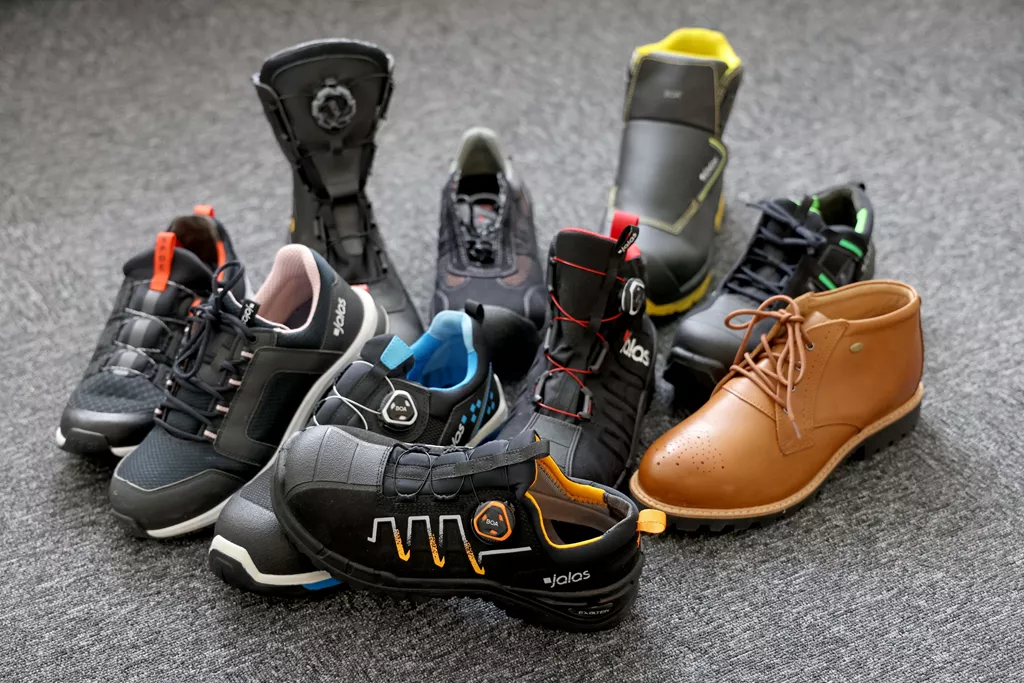
- Arvioi työympäristösi: märkä, kuiva, kylmä, kuuma, sähkö, teräviä roskia?
- Valitse luokitus: käytä luokkia SB–S7 oikean perussuojatason löytämiseen.
- Etsi lisämerkinnät: valitse ominaisuudet, kuten WP, CI tai HRO, työympäristön riskien perusteella.
We are here to guide you
Wether you have questions about Safety standards, our assortment or how to select the right product, don't hesitate to reach out to us.

Get More Knowledge
Explore All JALAS® Safety Standards
JALAS® Safety Footwear is built to meet a wide range of certified standards from impact and slip resistance to nail penetration protection and ESD. Learn how each standard keeps you safe.