


Norma EN ISO 17249 - Protezione dalle motoseghe nelle calzature antinfortunistiche
La norma EN ISO 17249:2013 per la protezione dalle motoseghe è uno standard internazionale che specifica i criteri di progettazione e di prestazione per le calzature antinfortunistiche resistenti al taglio delle motoseghe.
In quali casi si applica la norma EN ISO 17249:2013?
Si applica a stivali e scarpe destinati all’uso da parte di professionisti come lavoratori forestali, arboricoltori e soccorritori che utilizzano motoseghe portatili.
Requisiti della norma
- Resistenza al taglio della motosega: le calzature devono essere progettate in modo da resistere alla penetrazione di una motosega in funzione. Ciò è possibile grazie a materiali specialistici e un design a strati.
- Classi di protezione: la norma definisce quattro livelli di protezione (dalla classe 1 alla classe 3), in base alla velocità della motosega:
- Classe 1: 20 m/s
- Classe 2: 24 m/s
- Classe 3: 28 m/s
- Procedure di test: le calzature vengono testate in condizioni controllate per simulare il contatto con la motosega e valutarne la resistenza.
- Caratteristiche di sicurezza aggiuntive: le calzature devono inoltre soddisfare i requisiti di base dei DPI, quali:
- Suole antiscivolo
- Protezione del puntale in acciaio o in materiale composito
- Suole intermedie resistenti alla perforazione
- Resistenza all’acqua e durata
Perché è importante
Le calzature certificate secondo la norma EN ISO 17249:2013 offrono una protezione fondamentale in ambienti ad alto rischio. Le lesioni causate dalle motoseghe possono essere gravi e rapide: questo standard garantisce che gli stivali offrano l’ultima linea di difesa contro il contatto accidentale.
Scarpe antinfortunistiche Jalas conformi alla norma per la protezione dalla motosega
JALAS 1988 CHAINSAW GTX
When working with chainsaw
A trekking style, robust protective boot. 100% waterproof with GORE-TEX.
Frequently Asked Questions on EN ISO 17249
Who needs chainsaw-resistant safety boots?
Chainsaw-resistant safety boots are essential PPE for professionals working in high-risk environments where chainsaw injuries are possible. This includes forestry workers, arborists, landscapers, and emergency responders, anyone operating handheld chainsaws in rugged or hazardous conditions.
One standout option is the JALAS® 1988 CHAINSAW GTX, a Level 2 chainsaw-protective boot originally designed for forestry work. It’s also highly suitable for the snow and ice industry, offering:
-
- Waterproof Gore-Tex® membrane for dry feet in wet conditions
- Vibram® Nitrile outsole for secure grip on icy surfaces
- Steel toe cap for impact protection
Soft Textile Nail Penetration Insert for puncture resistance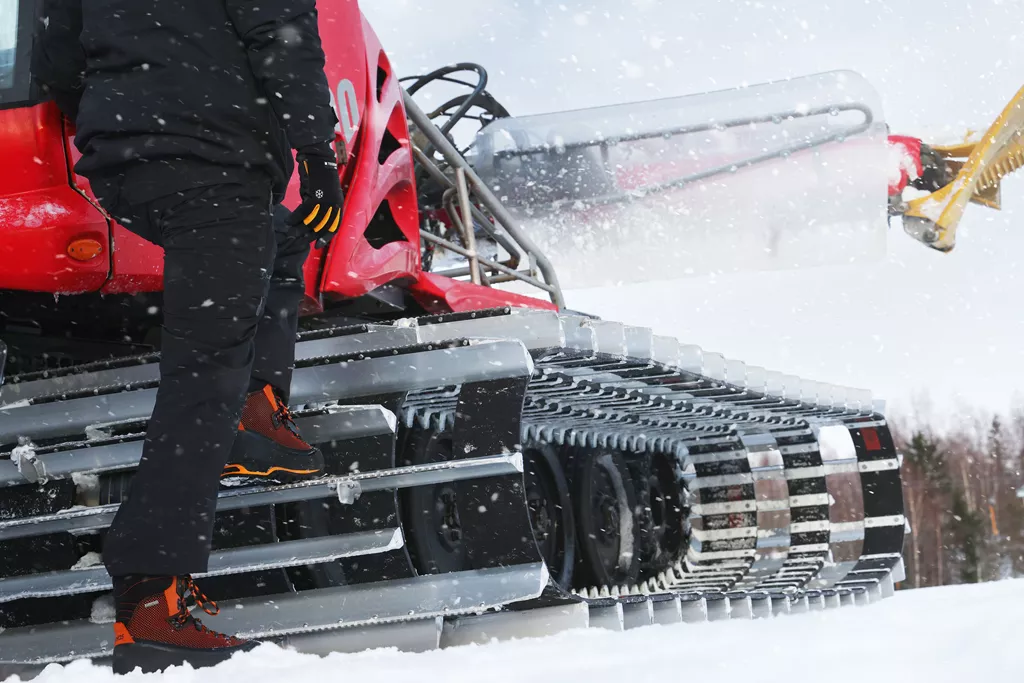
How are chainsaw boots tested?
Boots are tested by simulating chainsaw contact under controlled conditions. The test evaluates whether the boot material can prevent penetration and reduce injury risk.
Are EN ISO 17249 boots also certified to EN ISO 20345?
Yes, chainsaw-resistant boots also meet EN ISO 20345 standards, which cover toe protection, slip resistance, and other general PPE footwear requirements.
We are here to guide you
Wether you have questions about Safety standards, our assortment or how to select the right product, don't hesitate to reach out to us.
Get More Knowledge
Explore All JALAS® Safety Standards
JALAS® Safety Footwear is built to meet a wide range of certified standards from impact and slip resistance to nail penetration protection and ESD. Learn how each standard keeps you safe.