


EN 388 Standard – Mechanical Protection in Safety Gloves
EN 388 is the European standard for evaluating safety gloves against mechanical risks such as abrasion, cuts, tears, punctures, and impact. It provides a clear performance rating system to help match glove protection levels with specific workplace hazards.
EN 388 – What the Standard Means for Protective Safety and Work Gloves
When it comes to hand protection in industrial environments, not all safety or work gloves are created equal. The EN 388 standard is the benchmark for evaluating how well protective gloves perform against mechanical risks—ensuring safety, reliability, and performance in demanding work conditions.
What Is EN 388?
EN 388 is a European standard that classifies the mechanical resistance of protective gloves. It helps manufacturers, safety professionals, and users identify the right glove for the job by testing five key performance areas:
- Abrasion Resistance
- Cut Resistance (Coup Test)
- Tear Resistance
- Puncture Resistance
- Cut Resistance (TDM Test)
- Impact Protection (optional)
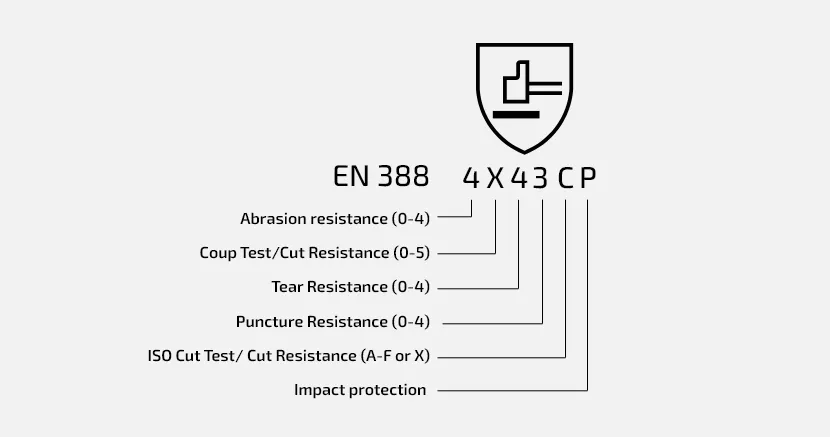
Each glove tested under EN 388 receives a code like 4X43DP, where each character represents a performance level in one of the categories above.
How the EN 388 Tests Work
Here’s a breakdown on how to read an EN 388 marking, and what each test measures:
a. Abrasion Resistance (level of protection 0–4)
Number of cycles required to abrade a hole using abrasive paper in a circular sample of glove material under constant pressure and motion. The highest performance level is 4, which corresponds to 8,000 cycles or more.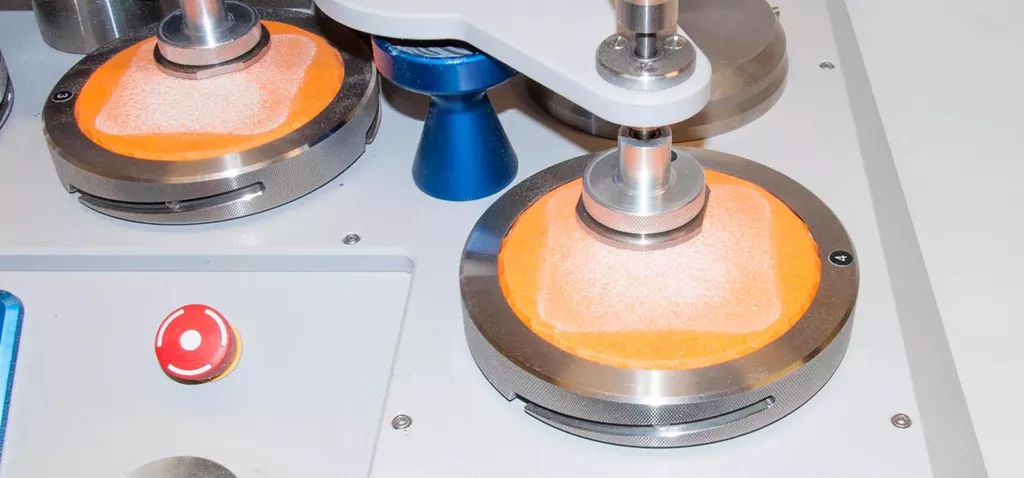
b. Cut Resistance – Coup Test (level of protection 0–5)
This measures the number of turns required for a rotating circular knife at a constant rate to cut through the glove. The result is compared with a reference material to get an index. The highest level of protection is 5, which corresponds to an index of 20.
c. Tear Resistance (level of protection 0–4)
Force required to propagate a tear in a rectangular sample of a glove with a starting incision.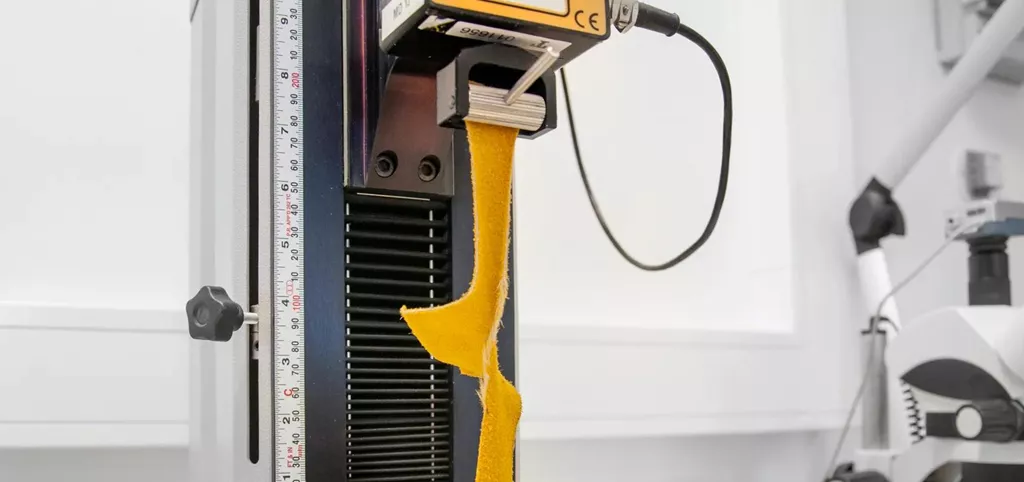
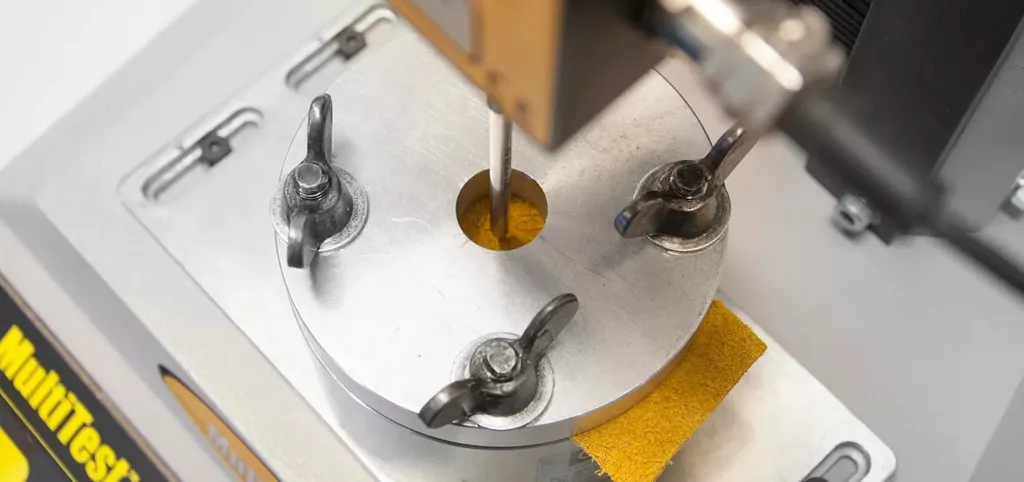
d. Puncture Resistance (level of protection 0–4)
Measuring the amount of force required to pierce the glove with a standard sized point and at a given speed (10 cm/min).
| Level of protection | 1 | 2 | 3 | 4 | 5 |
|---|---|---|---|---|---|
| a) Resistance to abrasion (No. of revolutions) | 100 | 500 | 2000 | 8000 | |
| b) Resitance to cutting (Index) | 1.2 | 2.5 | 5.0 | 10.0 | 20.0 |
| c) Tear reistance (N) | 10 | 25 | 50 | 75 | |
| d) Puncture resistance (N) | 20 | 60 | 100 | 150 |
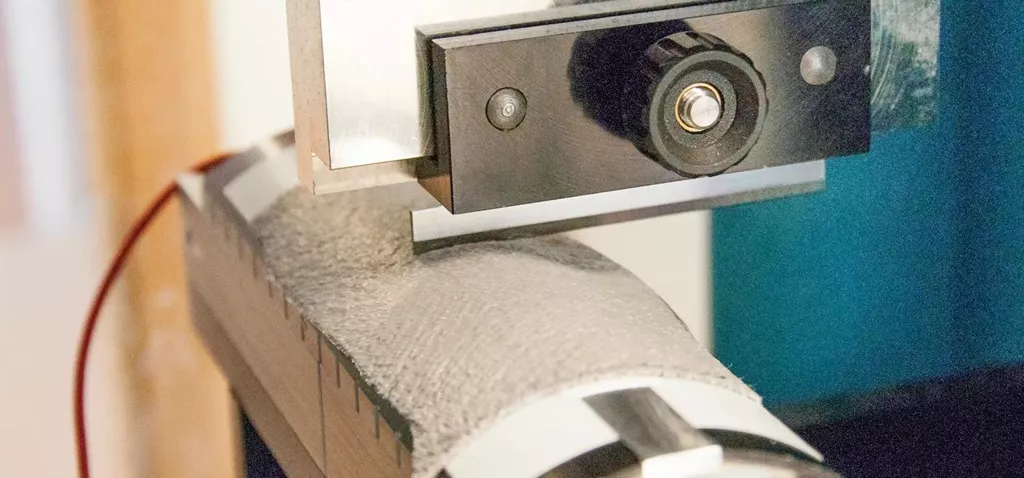
e. Cut Resistance – TDM Test (level of protection A–F)
Force in newtons (N) required to cut through a sample using a rectangular blade in a specified cut test machine such as Tomodynamometer (TDM). This test is optional unless the blade in Coup test becomes dull, whereupon it becomes the reference for cut resistance.
| Level of protection | A | B | C | D | E | F |
|---|---|---|---|---|---|---|
| e) Cut resistance (N) | 2 | 5 | 10 | 15 | 22 | 30 |
f. Impact Protection (level of protection P or no mark)
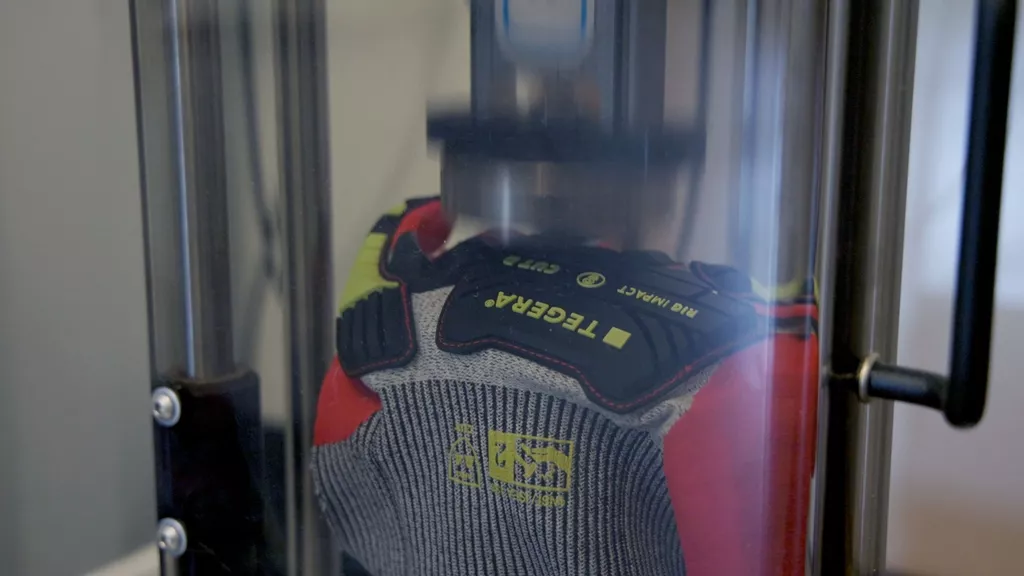
The test for protection against impact is carried out per a standard for protective gloves for bikers, EN 13594:2015. The area with protection is tested, but because of its limited surface, the area around the fingers cannot be tested using this method. The impact force is 5 J and the transmitted force must be in accordance with the highest level, in this case level 1, with an individual result of ≤ 9.0 kN and mean force ≤ 7.0 kN.
“P” means passed.
| Level of protection | P |
|---|---|
| f) Impact Protection EN 13594:2015 | Pass (Level 1 ≤ 9.0 kN) |
Frequently Asked Questions about EN 388
What Does EN 388 Stand For?
EN 388 is a European standard that specifies requirements for protective gloves against mechanical risks such as abrasion, cuts, tears, and punctures.
How Do I Read the EN 388 Glove Markings?
The EN 388 code (e.g., 4X43DP) represents performance levels in six categories: abrasion, cut (coup test), tear, puncture, cut (TDM test), and impact protection. Each letter or number corresponds to a specific test result.
What Is the Difference Between the Coup Test and the TDM Test?
The coup test uses a rotating blade to measure cut resistance, while the TDM test uses a straight blade and measures the force needed to cut through the glove. The TDM test is more accurate for high-performance materials.
What Does the “X” Mean in an EN 388 Rating?
An “X” means that the test was not performed or the result was not valid. For example, if the coup test is unreliable due to blade dulling, it is marked as “X” and the TDM test result is used instead.
What Is the Highest Level of Cut Resistance in EN 388?
The highest level in the TDM cut resistance test is F, indicating the glove can withstand a force of 30 newtons or more.
Are EN 388 Gloves Suitable for All Industries?
EN 388 gloves are designed for mechanical risks. For chemical, thermal, or electrical protection, other standards like EN 374 or EN 407 apply.
How often should EN 388 gloves be replaced?
Gloves should be replaced when they show signs of wear, damage, or reduced performance. Always follow the manufacturer’s recommendations and conduct regular inspections.
We are here to guide you
Wether you have questions about safety standards, our assortment or how to select the right product, don't hesitate to reach out to us.

Get more Knowledge
Explore All TEGERA Safety Standards
TEGERA safety gloves are developed to meet a wide range of certified standards—from cut and chemical protection to heat resistance and cold insulation. Explore how each standard contributes to safer work environments and helps keep workers protected across every task.