


Requisitos para el contacto con alimentos: riesgos en los guantes de seguridad y de trabajo
Los guantes de seguridad utilizados en la manipulación de alimentos deben cumplir una estricta normativa para garantizar que no comprometan la seguridad alimentaria. Según el Reglamento (UE) n.º 1935/2004, los materiales destinados a entrar en contacto con alimentos deben ser seguros, estables y seguir las prácticas de fabricación.
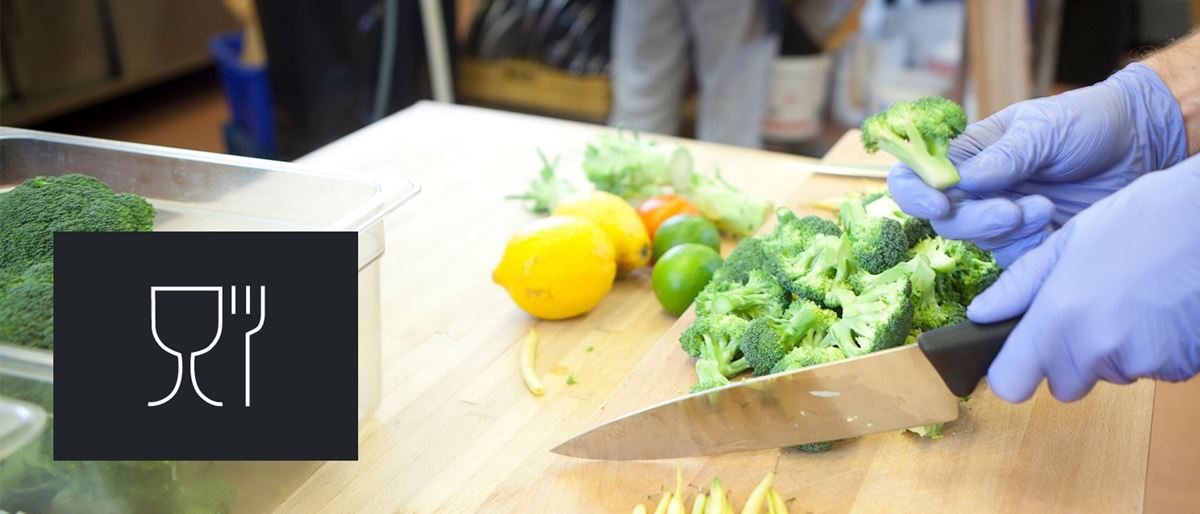
¿Cuáles son los riesgos?
Los materiales y objetos utilizados en guantes para contacto con alimentos deben fabricarse de forma que, en condiciones normales o previsibles de uso, no transfieran sustancias a los alimentos en cantidades que:
- supongan un peligro para la salud humana;
- provoquen cambios inaceptables en la composición de los alimentos;
- deterioren el sabor, el olor o el aspecto de los alimentos (características organolépticas).
Estos riesgos son especialmente relevantes cuando los guantes se utilizan en contacto directo con alimentos o agua potable.
Diferencias entre todos los tipos de alimentos y los alimentos no grasos
Algunos guantes están homologados para el contacto con todo tipo de alimentos, mientras que otros tienen restricciones; por ejemplo, el guante puede estar homologado para todo tipo de alimentos, excepto los grasos. La distinción es importante porque los alimentos grasos pueden interactuar más agresivamente con los materiales de los guantes, aumentando potencialmente la migración de sustancias a los alimentos.
- Todos los tipos de alimentos: Incluye alimentos secos, húmedos, ácidos y grasos. Los guantes homologados para todo tipo de alimentos se prueban para garantizar la seguridad en una amplia variedad de condiciones alimentarias.
- Alimentos no grasos: Incluye alimentos que contienen poca o ninguna grasa, como frutas, verduras, cereales y proteínas magras. Los guantes homologados solo para alimentos no grasos no deben utilizarse con productos como el queso, los aceites o las carnes grasas.

Compruebe siempre la certificación y el etiquetado del guante para asegurarse de que coincide con la aplicación prevista para el contacto con alimentos.
Food approved Tegera gloves
6 of 74 products
TEGERA® INFINITY 8807
Super soft, thin glove, cut level D
Great fingertip sensitivity, palm dipped. For fine assembly work in dry environments.
TEGERA® 849
Disposable glove for many purposes
Dressy and durable nitrile disposable glove with long cuff for versatile work.
TEGERA® 918
Cut F for food contact with extra thickness
Insulated food liner with Cut F protection for cold food handling environments.
TEGERA® INFINITY 8815
Thin nitrile dipped cut F
Great fingertip sensitivity, palm dipped. For precision work in dry environments.
TEGERA® 916
Cut F liner for food contact
Washable Cut F food liner for high dexterity and protection in food handling.
TEGERA® 8847
Ultrathin Cut F liner with comfort
21 -gauge liner with CRF® Omni Technology, cut protection F, food-approved.
6 of 74 products
Non Fatty Food approved Tegera Gloves
6 of 11 products
TEGERA® CHEMFORCE 494
High safety multi protection glove
Winter lined neoprene coated glove with chemical-, cut-, and heat protection.

TEGERA® 8833
Shut out the winter, shut out the wet
A very soft and comfortable winter lined glove with waterproof latex dipping.

TEGERA® 8833R
Shut out the winter, shut out the wet
A very soft and comfortable winter lined glove with waterproof latex dipping.
TEGERA® CHEMFORCE 7363
3 strong protections in one glove
Chemical, heat and cut protection glove with non-slip finish for extra grip.
TEGERA® CHEMFORCE 7361
2 protections in one glove
Chemical and heat protection glove with sandy finish for a perfect grip.
TEGERA® 318
Soft, breathable glove with good grip
Dark blue textile glove with vinyl dots. Withstands contact heat up to 100°C/212°F.
6 of 11 products
Professions That Require Food approved Gloves
Gloves compliant with food contact regulations are essential for:
- Food processing and packaging workers
- Catering and kitchen staff
- Agricultural and fisheries workers
- Beverage production and bottling teams
- Quality control and hygiene inspectors
These professionals rely on gloves that protect both the wearer and the food being handled.
Frequently Asked Questions
What Does the “Food Contact” Logo Mean?
It indicates that the glove complies with EU regulations for safe use in contact with food.
Can These Gloves Be Used With All Types of Food?
Some gloves are approved for contact with all types of food while others have restrictions, always read the Food declaration of compliance for more info.
Are These Gloves Reusable?
It depends on the glove type. Some are designed for single use, while others are durable and reusable under proper hygiene protocols.
How to Verify Compliance?
Look for documentation from the manufacturer and the presence of the food contact logo on the glove or packaging. At Ejendals you can find it in the Food Declaration of Compliance.
We are here to guide you
Wether you have questions about safety standards, our assortment or how to select the right product, don't hesitate to reach out to us.
Get more Knowledge
Explore All TEGERA Safety Standards
TEGERA safety gloves are developed to meet a wide range of certified standards—from cut and chemical protection to heat resistance and cold insulation. Explore how each standard contributes to safer work environments and helps keep workers protected across every task.