


Requisiti per il contatto con gli alimenti - Rischi nei guanti antinfortunistici e da lavoro
I guanti antinfortunistici utilizzati per la manipolazione di alimenti devono rispettare norme rigorose per garantire che non compromettano la sicurezza degli alimenti. Secondo il regolamento (UE) n. 1935/2004, i materiali destinati al contatto con gli alimenti devono essere sicuri, stabili e conformi alle pratiche di fabbricazione.
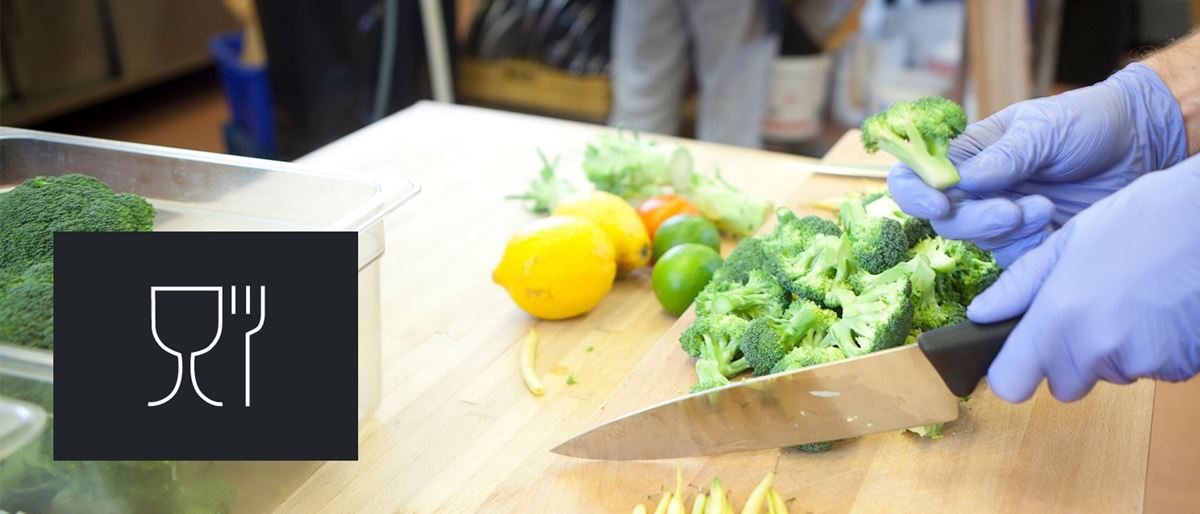
Quali sono i rischi?
I materiali e gli elementi utilizzati nei guanti destinati al contatto con gli alimenti devono essere fabbricati in modo tale che, in condizioni di impiego normali o prevedibili, non trasferiscano sostanze agli alimenti in quantità tali da:
- Costituire un pericolo per la salute umana
- Causare cambiamenti inaccettabili nella composizione degli alimenti
- Deteriorare il gusto, l’odore o l’aspetto degli alimenti (caratteristiche organolettiche)
Questi rischi sono particolarmente rilevanti quando i guanti vengono utilizzati a diretto contatto con alimenti o acqua potabile.
Differenze tra tutti i tipi di alimenti e gli alimenti non grassi
Alcuni guanti sono approvati per il contatto con tutti i tipi di alimenti, mentre altri presentano delle restrizioni, ad esempio il guanto può essere approvato per tutti i tipi di alimenti tranne quelli grassi. La distinzione è importante perché gli alimenti grassi possono interagire in modo più aggressivo con i materiali dei guanti, aumentando potenzialmente la migrazione di sostanze negli alimenti.
- Tutti i tipi di alimenti: sono compresi alimenti secchi, umidi, acidi e grassi. I guanti approvati per tutti i tipi di alimenti sono testati per garantire la sicurezza in un’ampia gamma di condizioni alimentari.
- Alimenti non grassi: comprendono alimenti che contengono pochi o zero grassi, come frutta, verdura, cereali e proteine magre. I guanti approvati solo per alimenti non grassi non devono essere utilizzati con prodotti come formaggi, oli o carni grasse.

Controlla sempre la certificazione e l’etichettatura del guanto per assicurarti che corrisponda all’applicazione prevista per il contatto con gli alimenti.
Food approved Tegera gloves
6 of 74 products
TEGERA® INFINITY 8807
Super soft, thin glove, cut level D
Great fingertip sensitivity, palm dipped. For fine assembly work in dry environments.
TEGERA® 849
Disposable glove for many purposes
Dressy and durable nitrile disposable glove with long cuff for versatile work.
TEGERA® 918
Cut F for food contact with extra thickness
Insulated food liner with Cut F protection for cold food handling environments.
TEGERA® INFINITY 8815
Thin nitrile dipped cut F
Great fingertip sensitivity, palm dipped. For precision work in dry environments.
TEGERA® 916
Cut F liner for food contact
Washable Cut F food liner for high dexterity and protection in food handling.
TEGERA® 8847
Ultrathin Cut F liner with comfort
21 -gauge liner with CRF® Omni Technology, cut protection F, food-approved.
6 of 74 products
Non Fatty Food approved Tegera Gloves
6 of 11 products
TEGERA® CHEMFORCE 494
High safety multi protection glove
Winter lined neoprene coated glove with chemical-, cut-, and heat protection.
TEGERA® 8833
Shut out the winter, shut out the wet
A very soft and comfortable winter lined glove with waterproof latex dipping.
TEGERA® 8833R
Shut out the winter, shut out the wet
A very soft and comfortable winter lined glove with waterproof latex dipping.
TEGERA® CHEMFORCE 7363
3 strong protections in one glove
Chemical, heat and cut protection glove with non-slip finish for extra grip.
TEGERA® CHEMFORCE 7361
2 protections in one glove
Chemical and heat protection glove with sandy finish for a perfect grip.
TEGERA® 318
Soft, breathable glove with good grip
Dark blue textile glove with vinyl dots. Withstands contact heat up to 100°C/212°F.
6 of 11 products
Professions That Require Food approved Gloves
Gloves compliant with food contact regulations are essential for:
- Food processing and packaging workers
- Catering and kitchen staff
- Agricultural and fisheries workers
- Beverage production and bottling teams
- Quality control and hygiene inspectors
These professionals rely on gloves that protect both the wearer and the food being handled.
Frequently Asked Questions
What Does the “Food Contact” Logo Mean?
It indicates that the glove complies with EU regulations for safe use in contact with food.
Can These Gloves Be Used With All Types of Food?
Some gloves are approved for contact with all types of food while others have restrictions, always read the Food declaration of compliance for more info.
Are These Gloves Reusable?
It depends on the glove type. Some are designed for single use, while others are durable and reusable under proper hygiene protocols.
How to Verify Compliance?
Look for documentation from the manufacturer and the presence of the food contact logo on the glove or packaging. At Ejendals you can find it in the Food Declaration of Compliance.
We are here to guide you
Wether you have questions about safety standards, our assortment or how to select the right product, don't hesitate to reach out to us.
Get more Knowledge
Explore All TEGERA Safety Standards
TEGERA safety gloves are developed to meet a wide range of certified standards—from cut and chemical protection to heat resistance and cold insulation. Explore how each standard contributes to safer work environments and helps keep workers protected across every task.